Monday, November 26, 2018
My first audiobook!
So - I've made my very first audiobook! Produced by the excellent SoundByte Recording, you can listen to me reading stories from my first collection, The White Road & Other Stories (Salt Modern Fiction, 2008). Available from Audible and Amazon - click here to hear me reading a sample story, my flash story, Plaits.
Saturday, September 08, 2018
The White Road Audiobook!
More info on the book here>>
Friday, March 28, 2014
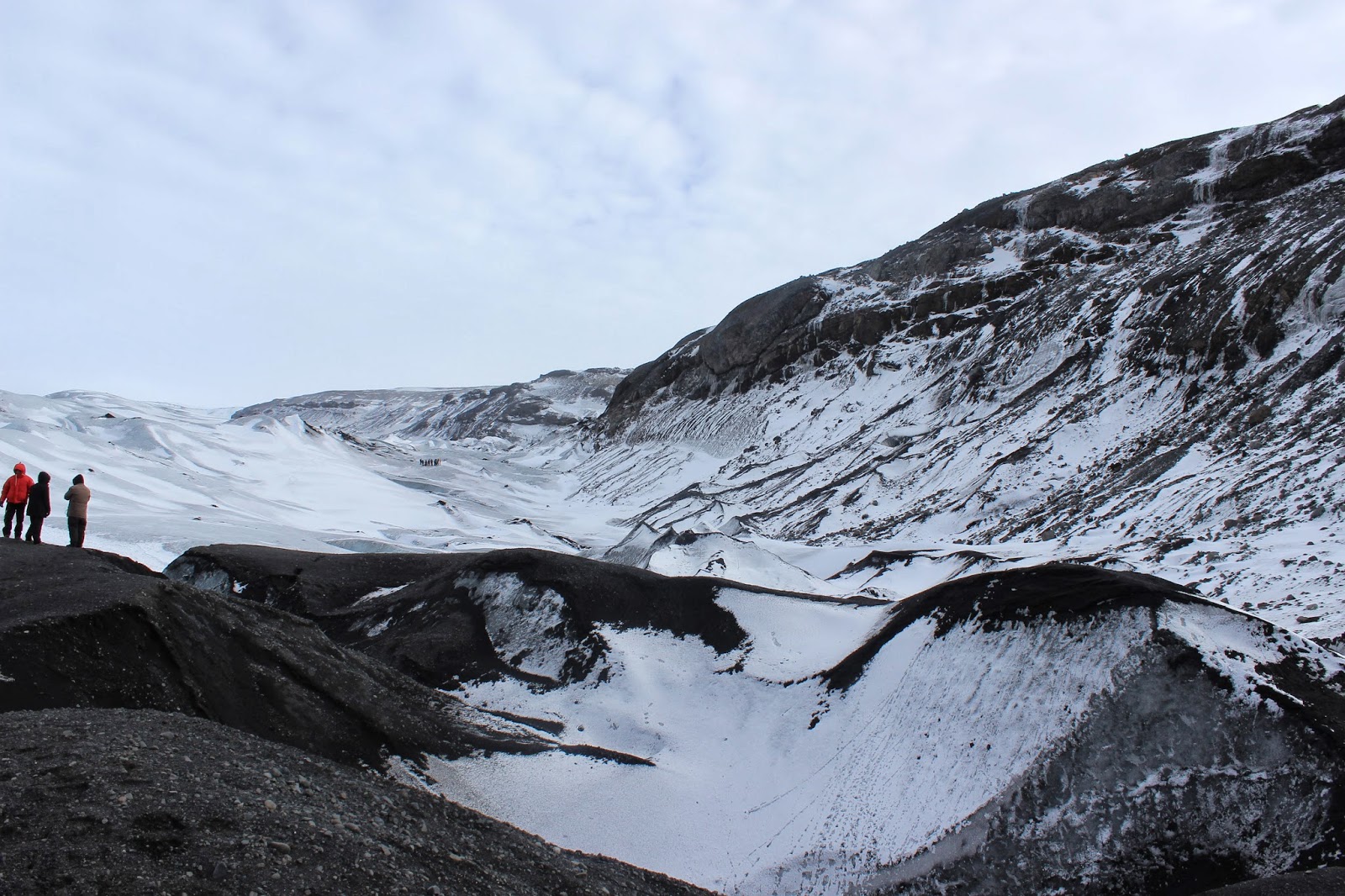
Guess Where I Was and Win Books & Lit Mags!
I will send all books except the heaviest one anywhere in the world - and will divide the books randomly up between all those with correct answers - and resort to hat-picking if there are more winners than books! Here's what you can win:
The books are: The White Road (by me, Salt Publishing), Writers & Artists Yearbook 2014 (very heavy so can only afford to post within UK), Short Circuit: A Guide To The Art of the Short Story (ed Vanessa Gebbie, Salt Publishing -1st edition), The Binnacle Ultra-short issue 2013, Exposure anthology (Cinnamon), The Lion and The Aardvark anthology of 21st century fables (Stone Skin Press), Winter 2012/2013 issue of The Stinging Fly, and the brand new issue #58 of Magma poetry journal. Loads of brilliant reading.
I was staying in the capital city of the country, so to be in the running for a free book, please leave a comment with the city and the country! Here are your picture clues, some of which are pictures from a day trip I did out of the city:
You have until Wed April 2nd to guess, leave a comment below. Come on, help me free shelf space...
Monday, March 24, 2014
Dan Powell Tells Us About Writing & Place
‘Short stories are portholes allowing us to peek – and, with great stories, step – into other worlds. Dan Powell’s broken windows are not themselves flawed or malfunctioning, rather doorways into the fraught and fractured lives of others. Powell’s mischievous imagination takes him wherever he pleases and where it lands he weaves story so tightly, so compellingly that you are held. Not constrained by the real, Powell uses surreality and magic – a wheeling-dealing cancer, unborn twins scanning their parents-to-be, a self-starting fire – to illuminate truths with poignancy and humour, paying subtle homage to the short story masters who inspired him, from Kafka to O’Connor and Carver.’
Dan is here today to give us a peek into his writing life by answering my writing&place questionnaire. First, here's a little about Dan:
Dan Powell is a prize winning author whose short fiction has appeared in the pages of Carve, Paraxis, Fleeting and The Best British Short Stories 2012. His debut collection of short fiction, Looking Out Of Broken Windows, was shortlisted for the Scott Prize in 2013 and is published by Salt. He procrastinates at danpowellfiction.com and on Twitter as @danpowfiction.
Dan is giving away a signed copy of Looking Out of Broken Windows to one reader of the blog tour; he will post to anywhere in the world. To win just leave a comment on this post or any of the other LOoBW blog tour posts appearing across the internet during March 2014. The names of all commenters will be put in the hat for the draw which will take place on April 6th.
At the end of this blog post is a fabulous and unique video trailer of Dan reading an excerpt from one of his stories! Before we get to that, here's what Dan had to say on writing & place:
Tania: Where are you?
Dan: I live in an old farmhouse in the midst of the Lincolnshire countryside. The nearest market town is Horncastle, the antiques capital of Lincolnshire. The stories in Jon McGregor's short fiction collection, This Isn’t The Sort of Thing That Happens to Someone Like You, are all set in Lincolnshire, with one even set in Horncastle itself. I bought and read the collection just after we moved here. A great way to experience the stories, surrounded by the places that inspired them. Our village is really just a street and a small, disused church, surrounded by pastureland. It's a wonderfully quiet part of the world, perfect for writing.
I am very lucky to have a study in this new house, it’s only a box room, just big enough for a desk and a few book shelves, but it is wonderful to finally have a room in which I can shut myself away to write. It even has a window overlooking the surrounding fields and in the summer evenings I sit there watching the house martins that nest in the eaves darting back and forth outside.
T: How long have you been there?
D: We moved here last August, when we returned from spending seven years or so living in Germany. It was only on coming back that my wife and I realised quite how much we had missed being in the UK. Simple things like browsing English bookshops and being able to buy good old fashioned Fish and Chips still feel like a real treat. We had put off coming back for a year or two and now I wish we had come back sooner.
T: What do you write?
D: Up until now I have mostly written short fiction. My stories tend to move between gritty realism and magical realism with most of my latest work landing somewhere in between, bridging the gap between these often opposing approaches to story telling. A fair few people have commented on how my writing seems to pull off what they thought of as two conflicting and incompatible styles of writing in the same piece. My debut collection, Looking Out of Broken Windows, is made up of the best of my last five years or so of short story writing and I am already knee deep into a follow-up collection, with about seven or eight stories done.
I am also writing a novel as part of my MA Creative Writing studies. The deadline is this coming September and I am currently on target to finish. Writing the novel has been a massive challenge and a very different writing experience to writing short stories. I have enjoyed the challenge of the novel but I my heart belongs to short fiction.
T: How do you think where you are affects what you write about and how you write?
D: Places which resonate with me tend to end up in my writing but often long after I have left there. In 2008 and 2009 we spent some excellent holidays in Highcliffe, on the south coast of England. The coastline there is striking, half of it landscaped the other half scarred by cliff-slips and eroded shores. This setting features in a few of my stories; Third Party, Fire & Theft in the collection is set in part in the public car park outside The Cliffhanger cafe their, while Rip Rap, recently shortlisted for the Willesden Herald Short Story Prize, is set in a fictitious version of one of the holiday camps set along the eroding cliff faces that stretch of to the east. More recently we spent a few holidays visiting various parts of Denmark and it’s wide skies and lengthy coastlines struck a chord with me. The notes I made in our holidays there are just starting to find their way into becoming stories.
That said, moving to Lincolnshire has had a real impact on my writing though, and it is the first place I have lived in that I have consciously tried to write about. The landscape moves between the sweeping hills of the Wolds and the broad flat farmland of the south of the county. The last few months I have been working on completing a draft of my novel, the final third of which now features a section set in a Lincolnshire village not unlike the one I am living in. I feel like I am starting to really understand how setting can be an integral part of my fiction. It is starting to move more to the fore of what I write. Looking back at the stories in the collection I can see this process actually began a while back with stories like Third Party, Fire and Theft and Storm in a Teacup. I’m looking forward to exploring more of the local area and hope it continues to inspire me.
Thank you, Dan, we hope so too! And talking of Storm In A Teacup, Dan has kindly made this teaser for us, listen to him read an excerpt:
Don't forget to leave a comment here for a chance to win a copy of the excellent Looking Out Of Broken Windows, which you can read more about, as well as about Dan himself, at www.danpowellfiction.com.
Thursday, February 28, 2013
Small Glimmers of Light
- Gavin Cameron, with ‘A Big Leap’
- James Collett, with ‘The Clever Skeleton’
- Damon King, with ‘Simmo!’
- Paul Lenehan, with ‘For Joy’
- Matt Plass, with ‘Invisible Them’
- Ian Shine, with ‘Love Stops at Ten Metres’
I also found a home for another story (a long one, almost 2000 words...) that I thought was perhaps too strange to get anywhere: The House of Meat was a finalist in the Words with Jam short story contest and will be published in their anthology. It takes place in a laboratory where they grow artificial meat. I said it was strange.
So, small glimmers at a time when I was having a few wobbly moments about writing in general. Wobbles are okay. Taking a break is okay (I spent a great deal of my recent writing retreat st. It's good to see if the yearning is still there. It's good to let the universe provide you with a few hints. Thank you, Universe. I think I'm getting the message.
Addendum: Another message
Today I found out I won 3rd prize in Salt's Flash Fiction contest, my story, A Song for Falling, will be published in their prize anthology. I hear you, Universe.
Tuesday, January 15, 2013
Overheard Launch Video
Buy the book here!
Thursday, December 06, 2012
Jon Pinnock on Writing & Place
I was honoured that Jon asked me to provide a "blurb" for the book, and here's what I said:
In these wonderful short, very short and very very short stories, Jonathan Pinnock takes aim at all the foibles and vanities we think we succeed in hiding. Not content to just pull back the curtain, Pinnock sets fire to it and chuckles as it blazes. Yet he also executes something of a conjuring trick, making us laugh, but also making us feel, think. Like Nana, whose granddaughter recreates Cairo in her bedroom for her before she dies, we fabricate our own reality: we see and hear what we want and ignore what we don't. Dot Dash is sending us a message, and yes, it may be through yellow plastic ducks, but that doesn't mean we shouldn't listen.
I recommend this collection highly, as you can tell. Very highly. I thought as part of Jon's virtual book tour, I'd ask him my Writing& Place questionnaire, and he could use that to tell us a bit more about his writing. Here goes:
| View from Jon's Window |
Jon: I live in a converted windmill in deepest Somerset. On a good day, I can just about see Glastonbury Tor from my office window. On other days, I just, like, feel the vibes.
T: How long have you been there?
J: We moved here about six months ago after a long and sustained campaign by my wife to get me to realise the merits of living in the country. Having finally made the move, my only regret is that I didn't give in years ago.
T: What do you write? J: I mainly write short stories and poems, and my first short story collection, "Dot Dash", was published by Salt in November. A couple of years ago, I did also somehow manage to complete a novel, Mrs Darcy versus the Aliens, and that was published by Proxima in September 2011. I've also recently completed an offbeat non-fiction memoir-type thing that is currently out on submission. As a writer, I'll try my hand at almost anything, mainly just to see if I can. Among the various projects languishing at the back of an old sock drawer are a very strange ultra-short radio play that earned me an interview in Broadcasting House in 1992 (which I completely failed to capitalise on), as well as several failed attempts at kids' books from the same period. One of these days, I'll find one thing to do and give it 100% focus. Although it will almost certainly turn out to be the wrong thing.
T: How do you think where you are affects what you write about and how you write?
| Another view from Jon's window |
Thank you so much, Jon, what a view! Dot Dash, was published by Salt in November - buy the paperback here, find out more on the book's website and more about Jon on his. And if you are of the ebook persuasion, Dot Dash is available for only 0.77p for your Kindle today! And you can read other authors' Writing & Place interviews here.
Thursday, September 29, 2011
Aliens aliens aliens... and Mrs Darcy
I was wrong.
I giggled. I chortled. I couldn't stop reading. Not only is this an utterly wonderful story and oddly fitting with Jane Austen's characters (Lady Catherine de Bourgh, an alien? Of course, silly me for not knowing that). I can't help but feel that Jane would be quite pleased.
I am delighted to have the alien...um, sorry, author here today. Let me tell you a little about Mr Pinnock. He studied Maths at Cambridge University (a fact that endears him to me already, without the aliens). Then, as his bio says, "he drifted into the world of software and has remained there ever since. He has written one book on software development and co-authored a further dozen, most of which are now almost entirely obsolete. In the last few years he has turned to writing fiction and poetry and has won a number of prizes and has had work read on BBC Radio 4. Mrs Darcy versus the Aliens is his first full-length novel."
I already knew I enjoyed Jon's short stories, having (anonymously) highly commended his story, Advice re Elephants, when I judged last year's Sean O'Faolain short story competition and was part of the judging team who shortlisted his story rZr and Napoleon for the 2010 Bristol Short Story Prize. It's clear from these that he has a rather wicked sense of humour and a sly wit. So, I have asked him a few tricky questions, on your behalf:
Tania: Welcome, Jon. I recently met a very interesting biologist, Rachel Rodman, who also writes, and she has come up with a whole theory about literary mash-ups, of which I believe your book is one. Her article is published in LabLit. She calls you and your kind (!) "literary geneticists" and, using Pride and Prejudice and Zombies as her example, says:
Pride and Prejudice and Zombies is in this sense a genetically modified organism, derived from the ancestral Pride and Prejudice by the introduction of new (genetic) material taken from the unrelated "monster" genre. A small-scale comparison of the two texts supports this idea: all Grahame-Smith's modifications have parallels with genomic modifications performed (or harnessed) by laboratory scientists. Here, I examine six classes (Insertions, Duplications, Insertions with Duplication, Replacements, Over-expression, and Gain-of Function Mutations) of these modifications, and draw parallels with biological examples.Her thesis is lengthy and erudite! So we will skip to her final thoughts:
These six sections consider only a few of the classes of Grahame-Smith's modifications. Pride and Prejudice and Zombies is also marked by DNA inversions (in the form of transposed words and phrases), silent mutations (in the form of synonym replacements), and missense mutations (in the form of deliberately misspelled words), and so on. The molecular techniques used by Grahame-Smith have also been applied to other works, enabling the production of a range of genetically modified texts: Android Karenina, The Meowmorphosis, Jane Slayre, and others. These modified texts possess new phenotypes. Some are merely new twists of humor, curious for their own sake, like a mammal engineered to possess fluorescent skin. Others, more utilitarian, render the text appealing to new audiences, like a plant engineered for cold-resistance, enabling it to grow at new latitudes. The success of these variants – some commercial, some aesthetic – sets the stage for a new generation of literary geneticists, whose experiments will force the field in new directions. This new dynamic, converting the writing desk to a laboratory and the classic text to a model organism, may in addition pose its own ethical questions. We exist in a new era, exciting and disturbing, in which neither text nor genome is immutable, and in which humans, armed with new technologies, can force their evolution. [My emphasis]Any reactions to this?
Jon: Right, here goes...*deep breath* Firstly, a confession: I've never actually read Pride and Prejudice and Zombies. This was partly because I was miffed about its unexpected appearance at a time when I was struggling to find a way into my own book and also because I didn't want to be accidentally influenced by it. I did feel obliged to refer to it in my book, because it would have felt odd not to acknowledge its presence, and it did provide an opportunity for going off at an interesting tangent with Jane Austen herself featuring as a disenchanted writer of cheap zombie novels. And I swear I never knew there were ninjas in P&P&Z until I read that article, although one of Jane Austen's supposed novels that I refer to also has ninjas in it!
T: And: I know you wrote it Dickens-like (or soap-operatically) in instalments, do you think your process/the end product would have been different if you'd attempted to do it all in one go, whatever that might mean?
T: Well, stress keeps us going, doesn't it? I say, Whatever works!
Thanks so much for stopping by, Jon. To whet your appetite, here's a pic I took of the book in the horror section of Waterstone's in Cork... Find out more, including how to buy it, excerpts and other crazy stuff, at Mrs Darcy And the Aliens and more about Jon and his other writings at jonathanpinnock.com.
Monday, May 09, 2011
Congratulations are in order!
Second - huge congratulations to Andrea Ashworth and Jon Pinnock who, along with Cassandra Parkin, are the three winners of this year's Salt Publishing Scott Prize for debut short story collections. Their collections will be published in November, the UK's National Short Story Week. Can't wait to read them!
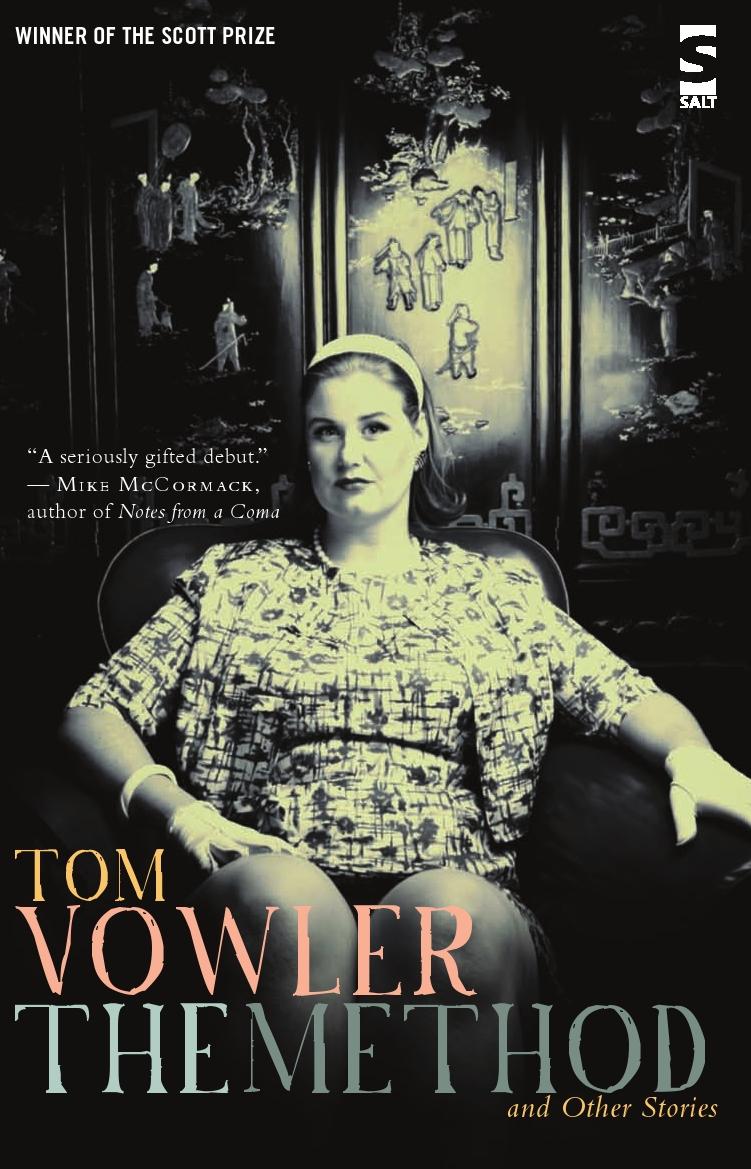
Addendum: Third lot of congratulations, to Tom Vowler, whose collection, The Method, has been shortlisted for the Edge Hill Short Story Prize, alongside collections from Helen Simpson, Polly Samson,Graham Mort and Michele Roberts. Winner announced in July. Read my interview with Tom here.
Thursday, February 24, 2011
Tom Vowler Talks
Tom is the author of the excellent and Scott-prize-winning collection The Method and Other Stories, published by Salt in 2010, and the forthcoming novel, All that Binds Us, which is a dark psychological thriller set on Dartmoor. On the subject of locations, I thought I'd first ask Tom the questions I've asked all those who've taken part in my Writing & Place series. And then we have a chat about his short story collections.Enjoy!
Tania: Where are you?Tom: A stannary town on the edge of Dartmoor, in south-west England.
Tania: How long have you been there?
Tom: Just over a year, having been a decade in Plymouth.
Tania: What do you write?
Tom: Literary fiction, I suppose, though my agent has just described my novel as a psychological thriller. Short stories too.
Tania: How do you think where you are affects what you write about and how you write?
Tania: Yes, Tom, I have no doubt about that! Ok, onto The Method and Other Stories. Having just re-read the title story, it made me think of a question for you. I recently commented on a friend's blog post about the old chestnut, "writing what you know" and I said Well, while I believe in making things up, it's hard to write what you don't know, and perhaps writing and knowing are actually unconnected. What's your take, given that you the main character in your story goes to the most extreme lengths to get to know the main character in his novel...and you have actually moved house in order to better research yours?
"My own approach to research had never been this committed; if I wanted to write about something, I’d read about it. I’d Google the hell out of it and then use my imagination to make notes and diagrams, charts with lines linking characters, the complex worlds they occupied, their beliefs, histories, idiosyncrasies, what I thought they ate, how they voted. I’d construct their lives, give them voices, breathe life into them. I thought that was enough. But then, at a meeting with my publisher, the issue of authenticity arose." (From The Method)"
Tom: I had some fun with that story, although it’s worrying how many people think it’s autobiographical in some way. It’s largely tongue-in-cheek, but does throw up questions on research and its thoroughness. The inspiration came from reading about the extent an actor had gone to for a part in search of authenticity, something we as writers also strive for.
Writing what you know is well and good, but would soon make for stolid fiction; you’ll quickly run out of subject matter, emotional experiences, anecdotes. And so we must venture into unfamiliar worlds, whether literally or vicariously, in order to assimilate the themes and people we’re writing about. Annie Proulx is a good example, someone who totally immerses herself in a community during composition, giving her a sense of dialect, of customs, the minutiae of a culture.
And, yes, moving house to be near the setting of my novel was a big commitment, but meant I could actually write scenes where they took place, or an hour after visiting them. The alternative was to go there only fortnightly and read about the place in between, which is always going to give you a second-hand account. I now have a profound love for the wilderness I’ve spent two years writing (among) and about.
But research isn’t always so edifying. The same book involved studying the darker aspects of human behaviour and I was glad not to do this first-hand.
Tania: I just noticed, rereading the excellent Seeing Anyone, the scientific imagery, "the earth's curvature", "like a distant star", "the Doppler effect", "a shape hidden within an optical illusion" . Does this reflect what you were reading at the time? Tell us more!
Tom: Good question – the scientist in you coming out! There was nothing overtly contrived in this, but I do have a wholly amateur curiosity in astronomy and physics (until their enormity and scope overwhelm me), and it’s likely some influence occurred there. On a conscious level, I suppose we search for the language, the imagery, to best describe a feeling or behaviour, and this works best for me if the simile or metaphor is somehow juxtaposed with its partner. And so with this rather elegiac story (and indeed with Staring at the Sun), I used aspects of the physical, scientific world to flank the most abstract, metaphysical of matters: love.
Thank you so much, Tom. You finish your tea (or G&T... or beer) while I tell the folks, whose appetites have surely been whetted, that they can purchase your book directly from Salt, or from Amazon or the excellent Book Depository and read the recent review by Melissa Lee-Houghton on The Short Review. That's all for today, dusk is falling over the shed. Pictures soon, I promise!
Friday, January 08, 2010
Scott Prize shortlist - congrats to all!
"an important new venture for Salt as we continue to discover and nurture new talent from around the English-speaking world. The prize forms part of Salt’s commitment to the short story, to debut collections and to our vision of new literature in English as an international endeavour."Congrats to the 12 full-length collections shortlisted - and especially to my friends and writing colleagues Susannah, Joel and Tom! - from almost a hundred entries and a longlist of 25. 4 winning titles will be announced next month for publication in the summer.
1. Ben Cheetham: The Hate Club (UK)
2. Alexandra Fox: Roundabouts (UK)
3. Miriam Hastings: Demon Lovers (UK)
4. Patrick Holland: The Source of Sound (Australia)
5. Sandra Jensen: A Sort of Walking Miracle (Ireland)
6. Laurence Klavan: Family Unit and Other Fantasies (US)
7. Wes Lee: This Animal Kingdom and Other Stories (NZ)
8. Mary McClusky: Gift to the Dark Gods (UK)
9. David Philip Mullins: Longing to Love You (US)
10. Susannah Rickards: Hot Kitchen Snow and Other Stories (UK)
11. Tom Vowler: They May Not Mean To But They Do (UK)
12. Joel Willians: Buy Ma Biscuits or Kiss Ma Fish (UK)
May this be the start of a wonderful year of short story success for all these writers!
Wednesday, December 16, 2009
Short Circuit at Ride the Word: A Lovely Time Was Had By All
The variety of readings was wonderful, with Vincent de Souza, Jay Merill, Short Circuit Editor, Vanessa Gebbie, Sarah Salway, Marian Garvey, David Gaffney, Lane Ashfeldt, Elizabeth Baines, and Alex Keegan... there was stationery porn (pens and paper), dodgy doings on the M62, and much much more. Wonderful evidence that Short Circuit is a book written by real writers, all of whom write very differently.
Several of those above were online friends I had not met yet, lovely to meet you in the flesh (and Bob J too!). Thanks to all who came, celebrated, bought copies, cheered us on! Jen Hamilton-Emery from Salt Publishing was there too, and as well as celebrating Short Circuit, she thanked everyone who helped Salt when it was going through hard times this year... and that thanks goes to so many of you. We all appreciate it.
Find out more about the must-have Short Circuit: A Guide to the Art of the Short Story on the newly-created website (umm...designed by me).
Monday, December 07, 2009
Shameless self promotion & The Year of Flash Fiction?
More info:
This bundle suits them all, often tripping along the line of avant-garde or deftly plunging right in, this bundle longs for an open minded reader who wants to embrace the wonderful and the abstract- however dark it may be at times.
Buy it for the contemporary writer/artist/student in your life or keep it and expand your mind by treating yourself to a journey to all the strange and beautiful literary crevices it has never been before.
Buying each of these books individually would cost you £54.95 (RRP) so buying them in the bundle saves you nearly £20, a fine deal if I do so say so myself.In fact, it all sounds so good, I think I should buy myself one! More info here.
Ok, shameless self-promotion almost over: I am thrilled that the fabulous Sara Crowley, the short story queen at Waterstone's Brighton, and a great writer, has unveiled a brand-new display case in the shop, devoted entirely to.... Flash Fiction!
I am thrilled to be there alongside the most amazing short short story writers: Lydia David, Amy Hempel, Barthelme..Now, my theory is that 2010 could very well be The Year of Flash Fiction. If so, Sara's display case is a vital part of the lead-up to this momentous year, as is the Bridport prize's new Flash Fiction category and (shameless self-promotion warning) my week of flash fiction on Radio 4 in June 2010, perhaps? You hear it here first - if we talk about it enough, surely it will come true!
Tuesday, September 08, 2009
The Nude not Naked Tour Arrives at TaniaWrites!
I am delighted to be hosting the second leg on my great friend and writing colleague Nuala Nà Chonchúir's Nude Not Naked virtual book tour for her stunning short story collection, Nude, published on Sept 1st by Salt Publishing.Young though she may be (the same age as me, so very very young!), Nuala, who lives in Galway, has already published 4 books: two short story collections and two collections of poetry, with a third forthcoming from Templar Poetry in November. Shortlisted for the European Prize for Literature, the Irish Times included her in their "People to watch this year" feature in January. Watch her? You'd better concentrate, she is so prolific and active, you are liable to miss something if you don't! (Did I mention that she gave birth to her third child, Juno, this year too?)

Before we start chatting, I thought I would give you a taste of Nuala's latest collection, in which all the stories have some flavour of nudity, but it is never what you expect. I tried so hard not to read it in one sitting, to savour it over time. But I couldn't put it down. It is clear to see that the writer is also a poet who loves language and rhythm.
Here is an excerpt from Unmothered:
Welcome, Nuala!
The outflow on the bath is like a keyhole; you stopper it with your toe and let the water lap in your ears, to block out the house. If you were key-shaped, you wouldslither into that hole and slip down the pipes, away from here. Away from the women who breed women; the women who have cried lavishly for three days, though your daughter was an embarrassment to them and you all knowit. When you called your baby Angelica, your sister said it was a waste of a good name.
There is no name for you now.

Tania: This is your third book of short stories. How do you feel this book is different, in terms of the writing style, tone, voices, subject matter, themes - any of those or other things?
Nuala: I think the style is pretty much still me; style is such an innate thing – an extension of personality – so I don’t think that’s changed in my work. I hope maybe it’s more comfortable now though, more honed. I feel like I’ve learnt so much over the years about what story is and hopefully some of that is apparent in my work. I’m a fan of stylistic, poetic writing and I hope I’ve achieved a better version of that in this book than in the others.
There are less children’s voices in Nude, as there are in To the World of Men, Welcome, my second collection; the themes are more adult in both. They deal a lot with broken relationships and sex. Nude has a lot of visual art in it from different POV’s: the artist, the model, the painting. If I was any good, I’d like to have been an artist.
The Wind Across the Grass, my first collection, mined a different seam – there were children’s lives in it. I do enjoy writing from a child’s point of view – I remember my own childhood vividly – but it can be a relief to write as an adult sometimes. I prefer being a grown-up!
T: For me, publishing my short story collection drew a line under all the 27 stories that were in it: it meant that they were done, dealt with, I didn't have to worry about them anymore and could move on. What does it mean to you as a writer to publish a book, whether it be poetry or short stories, both of which you write? What does having a book do for you personally?
N: Oh yes, I agree with that – the stories in Nude are now finished and I have a fresh canvas. It’s a relief in one way to get the book out there and nerve-wracking in another. I don’t show my fiction to anyone before it’s published (not even my Peer Group) so the first reading it gets is in magazines or a collection. I never know what people will make of the stories. I guess I still never do afterwards – it’s hard to discuss stories with the writer of them – but friends and other readers etc are generally quite positive. To my face at least!
I love having a new book – it’s the reward after years of writing.
T: Did you write with the "nude" theme in mind or did you just wake up one day and realise that you had a set of stories where nudity was, if not a theme, then something that is glimpsed in each story?
N: It was the latter, really. I’m fairly obsessed with visual art and I’ve collected postcards of the nude in art for years – people send them to me from their hols and I buy them in galleries. I made a notice-board of nudes for my wall and began to write poems and stories around some of them. It wasn’t deliberate but I think it works well as a linking motif. in the book. Not all of the stories feature art so it’s not some sort of false imposition of a theme. Some of the nudes are lovers and their unclothed bodies are incidental; some – like the boy modelling as the young Jesus in Jackson and Jerusalem – are more central.
T: You say, "If I was any good, I’d like to have been an artist." I say: you are an artist, a word artist. What draws you to the visual image that you don't think you can get from words, either writing or reading them?
N: "Word artist" – that’s cool! I’m pretty awed by people who can paint or sculpt well. I love the way they can have an idea and translate that into the visual; I’d like to have that gift. I can get a lot of visual stuff from words but a beautiful painting is a different thing. Plus it doesn’t feel like stealing to write about a painting, whereas it can to write about/from someone’s words.
T: Also, I am intrigued that you don't show your fiction to anyone until it's published. Why is this? Were you burned by bad or useless critique? Or is it just a part of your process? Does this mean that publication is the tool you use to gauge if your story is "done"?
N: I just don’t feel the need to show it; I am fairly confident in my abilities in fiction and don’t really want input from others. Though I do attend the odd workshop or master-class and they can be fun.
I have a note on my notice-board: "The story you’re writing is a secret." I think I picked that up from a Jack Heffron book. I’d consider it good advice – if you constantly let other people into your story before it’s finished it could get messed around and muddled. I’d hate that. I have enough trouble trying to figure out what’s going on myself without other writers fiddling with my story.
Poetry is different – I like to get critique and feedback on that and I find it helpful. It’s easier to critique poems, probably because they are short and ‘visible’. My first writing group was a poetry one, so I guess it just became my modus operandi to keep my stories to myself.
I usually know myself when a story is done; it’s when I’m happy enough to send it out.
T: Thank you so much, Nuala, it was an honour and a privilege to have you stop by on your way around the (virtual) world. Best of luck with the book.
N: Thanks a million, Tania, for having me at your lovely blog. Next week, on my virtual tour, I'll be stopping off at writer Colm Keegan's place, Uiscebots Blog. Do stop by to eavesdrop on a little chat between two Dubliners.
For more on the virtual book tour, visit Nude Not Naked. To buy Nude, click on the link. You won't regret it, it is a moving, entertaining and vital addition to every bookshelf. A writer to watch, but more importantly, to read.
Reminder: today is the last day to win one of three signed copies of my book in my First Birthday Giveaway! Leave a comment on the First Birthday Giveaway blog post to win!
Tuesday, September 01, 2009
First Birthday Book Giveaway
It's The White Road and Other Stories' first birthday today. Wow. What a year! And here I am, sitting at my new desk in my new study in our new city. Who would have thought?My great writer/blogger colleague and friend Nik Perring. has interviewed me about that first year over at his blog. A few tantalising snippets, and then down to the Free Book stuff...
To find out the biggest surprises of the last 12 months, and more, pop in to Nik's blog. And thanks to Eco-libris, I have planted a tree for every copy printed, which is more than I expected (mother buying 100+ 10 friends!) although not quite a forest yet.
Because I am published by a small press, Salt, even though they are amazing and they made me this beautiful book, most of the marketing and promotion was and is down to me. And I have no clue about selling a book! Well, perhaps now I have a bit more of a clue. So, basically, I made it up as I went along. I built a website for the book, I set up a Facebook Page, I organised a hectic 11-stop Virtual Book Tour where I was interviewed on 11 blogs over 11 weeks about everything from my love for science to writing and religion.... I cajoled as many people as possible into writing reviews....I obsessively checked my Amazon rankings, searching for some indication of whether what I was doing was working. And whirring through my mind, all the time, was: “How can I sell the book? How can I sell the book?”
Ok, in celebration, I am giving away THREE signed copies of
Happy birthday also too to Nuala Nà Chonchúir's wondrous short story collection, Nude, which is published today by Salt! Nuala's Nude Not Naked Virtual Book Tour kicks off today, and I will be hosting her here next week, Sept 8th, talking about writing, art, and perhaps a little about nudity!
So, anyone want a free book??
Wednesday, August 05, 2009
Ending the day on a high note

can you see? Click on it to get a larger pic. There's Shaindel Beers' wonderful poetry collection, A Brief History of Time, at Number 3, Luke Kennard's excellent The Migraine Hotel at #4, and Alex Keegan's stunning stories, Ballistics, at #20. And 16 books that I have yet to read and love...And a gorgeous photo of Nuala and her brand new short story collection, Nude, which you will hear more about here shortly.
This most definitely is the result of Salt's Just One Book campaign, so many people rallied round, thank you all so so much for supporting Salt - and thank you to those of you who showed their support by buying my book. It is really moving and thrilling, I never thought I would find myself at this point. But please: don't stop. Salt is doing alright for the moment, but this needs to continue. There are new titles being published, and a wealth of existing titles that are excellent, both poetry and short stories. Have a wander, all books are 33% off for the whole of August (enter the coupon code HU693FB2 at checkout)... or sign up for the Story Bank or Poetry Bank and get sent beautiful books on a regular basis. What better present for a reader?
Ok, off to bed now with a big grin.
Friday, July 31, 2009
Early morning post
Boyd Tonkin certainly is, bless you Boyd. In today's Independent newspaper, in an article entitled "Short-haul fiction, long-term benefits", he says:
Here's a star-spangled shortlist of leading writers who have published, or soon will publish, works of fiction since the last Man Booker contest: Kazuo Ishiguro, AL Kennedy, Ali Smith, Will Self, Chimamanda Adichie, Alice Munro. None of them could have featured on this week's long-list. Of course, the final name gives the game away. Canada's doyenne of the story that packs an entire life, and world, into 20 pages might already have won the Man Booker International Prize for career achievement. But the annual competition still shuns volumes of short fiction. Which means as well that first-rank debut collections, such as (this year) Daniyal Mueenuddin's In Other Rooms, Other Wonders, never stand a fighting chance. Should that rule now change?Yes, Boyd, yes! And then, if it couldn't get any better, he says:
In the Manchester-based Comma Press and Salt Publishing in Cambridgeshire, Britain has two high-performing specialist imprints with a robust commitment to the briefer forms.Oh, Boyd! Sending much love to the Indy today. I will leave you with his parting shot:
"The only rule is to write originally and well - whether the result takes two, five or twenty thousand words."Yes. Yes yes yes yes yes. (New prize for 2-word stories, anyone??)
Read the full article here.
Monday, July 06, 2009
Keep Helping Salt - Reviews
Trade Summary
June's UK trade figures are in from our distributor, Gardners — 47% of our UK trade sales are now with the Waterstone's chain, 21% with Amazon. We had no sales at all in June from Borders. Trade sales for the first six months of this year are still down 4% on 2008, but we are beginning to close that gap. Total trade figures for June were up 21% on the previous June (the summer months are often exceptionally tough for Salt), growth was largely driven through the JustOneBook campaign. But conditions remain extremely difficult in the trade. 8% of turnover was library sales. Independent book shop sales accounted for less than 7% of trade turnover, very disappointing after a big sales push with the indies and three separate promotions.
The Challenge
Our challenge is to grow our trade sales over the coming months to keep the business on track. We need to find better ways at reaching the indies as we're still convinced that they are good partners for Salt's list. Despite the success of the JustOneBook campaign, this month's trade sales will be critical. We could easily eat into the revenues we've raised from sales made direct to our fans. One bad month in the trade can wipe out our campaign.
So.... this is the important bit. Listen closely:
How You Can Help Us
We need to keep Salt in the public eye. Here's how you can help. If you've bought a book from Salt and you enjoyed it please continue to support us by doing two important things (they're both free):
1. Firstly, tell your friends about the Salt title you enjoyed. Recommend it to them. Tell your friends on Twitter what you thought about it. Blog about it, if you like. Pass it on in anyway you can. Spread the word.
2. Secondly, please post a brief review of the book on Amazon to help the author. Amazon reviews do work.
Thank you for all your support. It really does matter.
Very best from me and Jen
Chris
Ok, you know what you need to do. I'm not talking about my book, please recommend and write reviews of any Salt book you've enjoyed, be it short stories or poetry. To get you started here's the link to a search for Salt Publishing on Amazon UK. This doesn't work on Amazon US (lots of books on saltwater fishing!) so here are a few choice links to start you off there:
Vanessa Gebbie's Words from a Glass Bubble. (Read The Short Review's review)
Elizabeth Baines' Balancing on the Edge of the World (Read The Short Review's review)
Charles Lambert's Scent of Cinnamon (Read The Short Review's review)
Carys Davies' Some New Ambush (Read The Short Review's review)
Alex Keegan's Ballistics (Read The Short Review's review)
The White Road and Other Stories I think I may have already mentioned!
Thank you, thank you, thank you for all your support!
Wednesday, June 03, 2009
Griff Rhys Jones boosts Salt
Griff Rhys Jones says:
“Support the good work here. Don’t let Salt fall. If the recession is going to take things down, let it be motor manufacturers, let it be bad banks, let it be chains of fast food restaurants. We can lose a few of them, but we don't have enough small independent and daring publishers like Salt. I think I can be a little more forthright than Chris and say ‘Just six books’. Buy dozens why don’t you? It’s a great list. And apparently you will help the economy in many subtle ways too complicated for studious folk like us.”
Thank you, Griff!!
I am in watery London sunshine, enjoying being reunited with J and hanging out in much cooler weather. Tonight we are very privileged to be attending the Orange Prize awards ceremony, sharing oxygen with such luminaries as Marilynne Robinson, shortlisted for the Orange Prize for Fiction for her novel, Home, and Ann Weisgarber, author of the wonderful The Personal History of Rachel Dupre, shortlisted for the Orange Award for New Writers, the award that the White Road and Other Stories (or me, not sure which!) received a commendation for. It's lovely to be going and not to be anxious about winning anything, just to be purely delighting in being there. Will be putting on my posh stuff, and trying not to do anything silly at the champagne reception! Details to follow....! 

Friday, May 29, 2009
Salt does poetry too
My apologies to chance for calling it necessityFind this poem and read it. I don't think I had ever read a poem with such apparently simple language that just cut me to the core. Sliced me open.
My apologies to necessity if I'm mistaken, after all.
Please, don't be angry, happiness, that I take you as my due.
May my dead be patient with the way my memories fade.
My apologies to time for all the world I overlook each second.
My apologies to past loves for thinking that the latest is the first.
Forgive me, distant wars, for bringing flowers home.
Forgive me, open wounds, for pricking my finger.
Thus began my poetry education. And part of it is fellow Salt author Shaindel Beer's A Brief History of Time. I mentioned her in my Source of Lit post in April, National Poetry Month in the US. She has just been given a wonderful mention on the books blog at Powell's, the enormous Oregon bookstore and online bookseller:
One of the poets was Shaindel Beers, a professor of English at Blue Mountain Community College in Pendleton and author of a new collection of poems titled A Brief History of Time, published by Salt Publishing out of the United Kingdom.
I heard Beers read several poems from her book and was astounded by their frank honesty and contemporary themes. In recent years I have grown incredibly tired of obtuse and gutless poetry and there is nothing obtuse or gutless about Beers' poems. They strike straight and true.
Luke Kennard is another Salt poet whose poems I really enjoy. An excerpt from his collection, The Migraine Hotel:
And I SawVisit the new section on Salt's site devoted to the Writers, and find out more about Shaindel and Luke... and many more I look forward to discovering.
A false prophet slapped in the face by a wave;
A woman screaming at her clarinet,
‘What would you have me do, then, drown you, too?’
Remaindered novels washed up on the shore.
A cat, baffled by a drowsy lobster, jogged
Over the pebbles towing a little carriage.
And the cat didn’t say anything — because
It was a cat. And the carriage was not full
Of tiny men, a watermelon or an
Assembly of diplomatic mice
Because the carriage was an example
Of man’s cruelty in the name of research.
The cat belonged to a behaviourist
And had been raised in an environment
Of only black horizontal lines. So
It saw my sprinting across the beach
To dismantle its harness as a whirl
Of fenceposts and orange rubber balls
And was gone faster than the better idea
You had a moment ago.
During our one-night writing retreat this week I was introduced to Elizabeth Bishop's poetry and it knocked me sideways. Where was she when I was in school struggling with the war poets and not getting it? An excerpt from Questions of Travel:
There are too many waterfalls here; the crowded streamsNothing I can say is adequate. Her writing speaks for itself. More poetry. More and more.
hurry too rapidly down to the sea,
and the pressure of so many clouds on the mountaintops
makes them spill over the sides in soft slow-motion,
turning to waterfalls under our very eyes.
--For if those streaks, those mile-long, shiny, tearstains,
aren't waterfalls yet,
in a quick age or so, as ages go here,
they probably will be.
But if the streams and clouds keep travelling, travelling,
the mountains look like the hulls of capsized ships,
slime-hung and barnacled.